Two works at International SWAT Conference (Aarhus, Dinamarca)

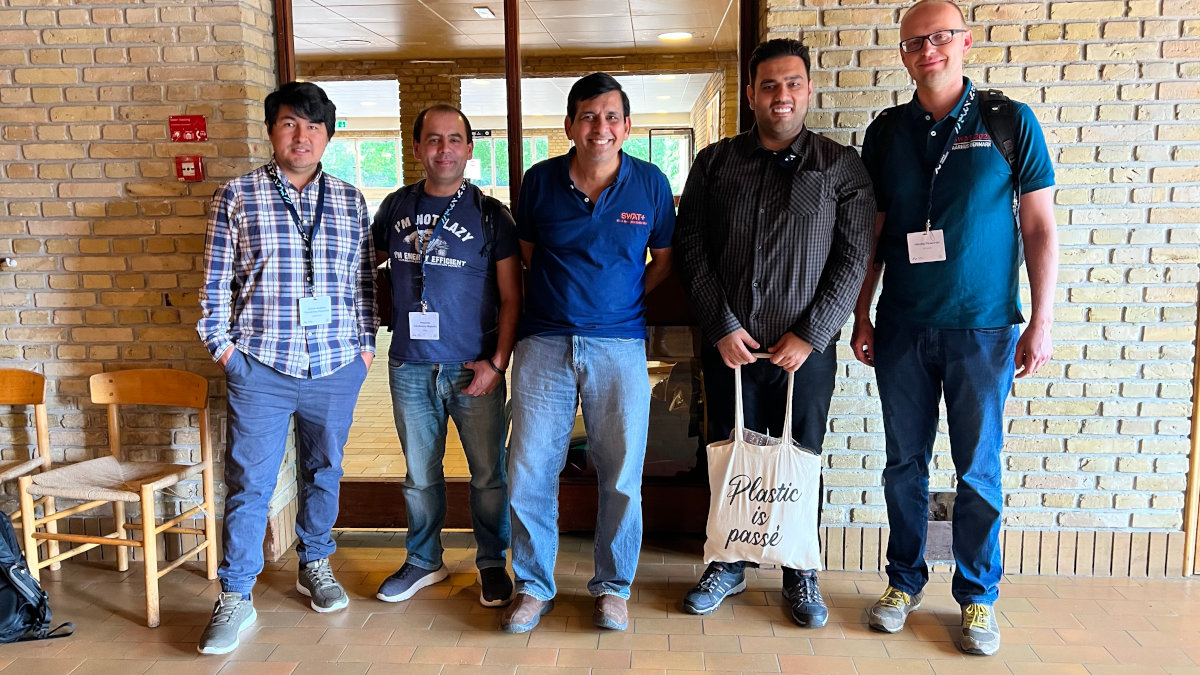
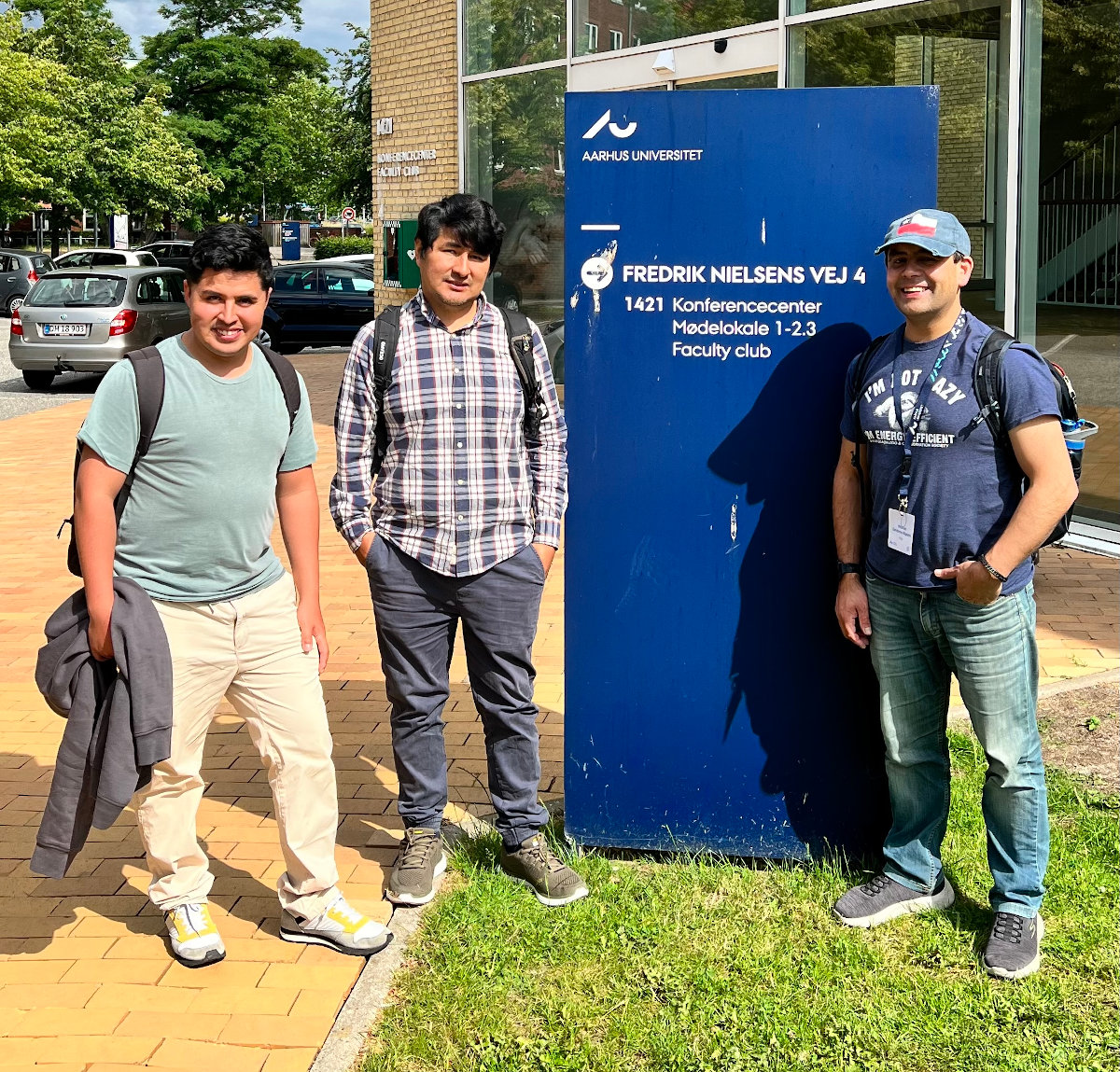
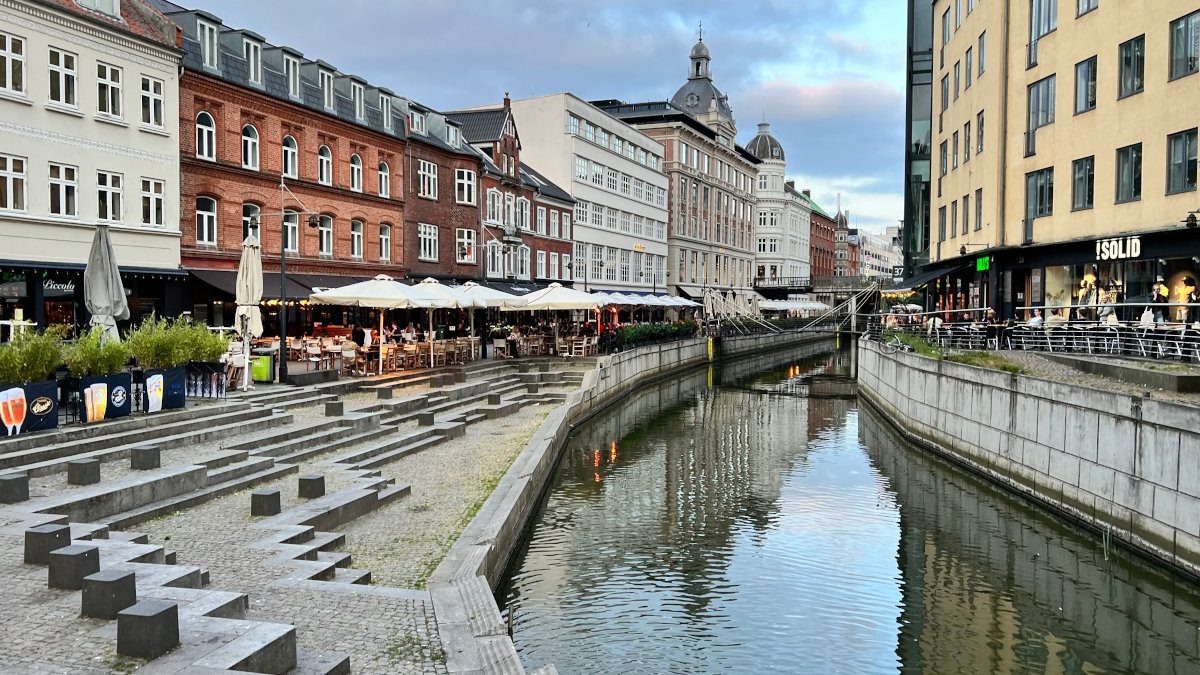
During the week of June 26th to 30th, 2023, I participated in the International Conference 2023 International SWAT Conference, held at the Department of Ecosciences of the University of Aarhus (Aarhus Denmark). This is a small conference, aimed at all scientists working with the SWAT eco-hydrology model worldwide. On this occasion, more than 170 scientists from 41 countries on six continents participated.
I participated as co-author in one paper and presented another:
-
A new multi-objective calibration R package for SWAT and SWAT+ models. In this work, the Master’s candidate Rodrigo Marinao Rivas presented hydroMOPSO to the SWAT eco-hydrological model user community. hydroMOPSO is a new R package for multi-objective calibration, which combines two search mechanisms to maintain population diversity and accelerate its convergence towards the Pareto optimal front. hydroMOPSO is model-independent, allowing the calibration engine to interact with any type of model that needs to be run from the command line, including SWAT and SWAT+, but also other hydrological models available in R (eg, TUWmodel, airGR, topmodel). In addition, hydroMOPSO is independent of the operating system used (i.e. it can run on GNU/Linux, Mac OSX and Windows, among others) and can run on multi-core machines or network clusters, which significantly alleviates the load computational associated with the optimization of complex models with long execution times.
-
Multi-period and multi-variable calibration of SWAT+ using gridded input datasets and a novel R package. In this paper, Dr. Zambrano-Bigiarini presented an application of the hydroMOPSO multi-objective calibration software to the SWAT+ eco-hydrological model implemented in the Trancura River Basin before Llafenco (Araucanía Region). In this work, two cases of multi-objective calibration were analyzed. In the first case study, the SWAT+ model was simultaneously calibrated for two time periods: one with normal/wet conditions and one with dry conditions (i.e., below-normal rainfall). In the second case study, daily flows at the outlet of the basin and average monthly real evapotranspiration throughout the basin were calibrated simultaneously. The package has been developed by Civil Engineer Rodrigo Marinao, who is a graduate of Civil Engineering at the Universidad de la Frontera, a student of the Master’s Degree in Engineering Sciences from the same university, and a research assistant at the Center for Climate and Resilience Research (CR2). The collaboration between Rodrigo Marinao and I began from the Hydrology course in the Civil Engineering degree, and has continued uninterrupted since then. This work also received funding from the Chile-China international collaboration project NSFC 190018.
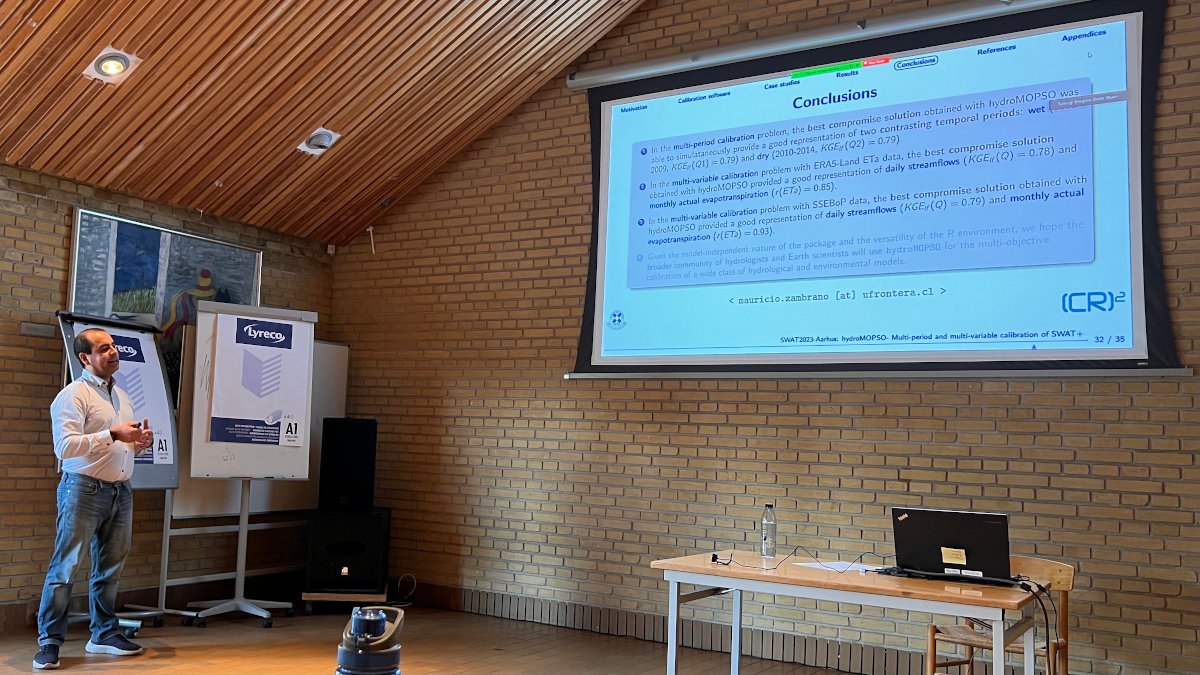
Finally, during this conference, I took the opportunity to clarify doubts about the implementation of the growth of some plant species typical of Chile, learn about the latest advances in the development of the model (e.g., gwflow, SWAT-G, SWAT-C), and possibilities of collaboration with doctoral candidate Carlos Fernández Palomino from the University of Potsdam.

My Caption

I am an Associate Professor in the Department of Civil Engineering at the University of La Frontera. I hold a PhD in Environmental Engineering from the University of Trento (Italy) and completed postdoctoral training at the European Commission’s Joint Research Centre. I have more than 20 years of experience in water resources research and have previously served as an Associate Researcher at the Center for Climate and Resilience Research (CR)2 and as a member of the Earth Sciences Assessment Group of the Chilean National Research and Development Agency (ANID).
My research lies at the interface of hydrology, data science, and environmental sciences, with a particular focus on the use of gridded datasets and open-source tools to investigate droughts, extreme events, and water-related impacts of global change.
I work across spatial and temporal scales to improve the understanding of catchment-scale hydrological processes and to translate this knowledge into operational modelling, forecasting, and early-warning systems that support robust environmental decision-making.
Please reach out to collaborate 😃